



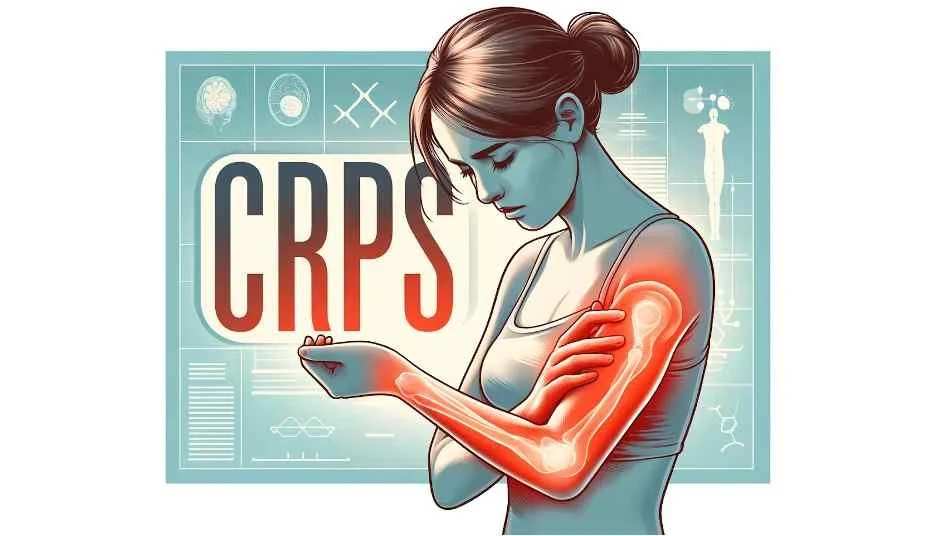
Understanding Chronic Pain and CRPS
Chronic pain treatment continues to evolve in 2026, offering new possibilities for patients living with persistent pain and Complex Regional Pain Syndrome (CRPS). For many people, the new year represents hope, renewal, and a fresh start. But for those living with chronic pain or Complex Regional Pain Syndrome (CRPS), January can feel like just another reminder of daily discomfort, limitations, and frustration.
If you’re starting this year feeling exhausted, discouraged, or stuck in a cycle of pain, you’re not alone — and more importantly, you still have options.
Living with Chronic Pain or CRPS Is More Than Physical
Chronic pain conditions, including CRPS, affect far more than the body. Over time, persistent pain can impact:
- Mental health and mood
- Sleep quality
- Relationships and social life
- Ability to work or enjoy daily activities
CRPS, in particular, is a neurological pain disorder that can cause severe, disproportionate pain, sensitivity, burning sensations, swelling, and changes in skin color or temperature. Many patients are told they must “learn to live with it” after traditional treatments fail.
But pain science has evolved — and so have treatment options.
A New Approach to Chronic Pain Treatment
Modern pain management focuses on the central nervous system, not just the site of pain. Research increasingly shows that chronic pain and CRPS involve abnormal pain signaling in the brain and spinal cord — meaning effective treatment often requires addressing these pathways directly.
That’s where advanced, evidence-based therapies come in.
Ketamine Therapy for Chronic Pain and CRPS
Ketamine has been used safely in medicine for decades. In recent years, it has gained recognition for its role in treating treatment-resistant chronic pain conditions, including CRPS.
Ketamine works differently than traditional pain medications. Rather than simply masking pain, it targets NMDA receptors involved in pain sensitization and central pain amplification — a key mechanism in CRPS.
Potential benefits of ketamine therapy for chronic pain may include:
- Reduced pain intensity
- Improved function and mobility
- Decreased reliance on opioids
- Relief for patients who have not responded to conventional treatments
Every patient’s experience is unique, which is why treatment plans should always be individualized and physician-guided.
What “New Year, New You” Really Means for Pain Patients
A fresh start doesn’t mean ignoring your diagnosis or pushing through pain. Instead, it can mean:
- Re-evaluating treatment options
- Seeking a second opinion
- Exploring therapies supported by emerging research
- Prioritizing both physical and emotional well-being
For many chronic pain patients, the most empowering step is simply asking:
“What other options might exist for me?”
Integrative, Patient-Centered Care Matters
Effective chronic pain and CRPS treatment often works best as part of a multidisciplinary approach, which may include:
- Medical management
- Ketamine infusion therapy (when appropriate)
- Physical therapy
- Psychological support
- Lifestyle and nervous system regulation strategies
Compassionate care matters just as much as clinical expertise. Patients deserve to feel heard, validated, and supported — not dismissed.
Chronic pain treatment is not one-size-fits-all, and long-term conditions like CRPS often require ongoing evaluation and collaboration with experienced medical providers. As research continues to evolve, many patients are learning that reassessing treatment options periodically can be an important step toward improved symptom control and quality of life.
A Message of Hope for the New Year
If you’re entering this year living with chronic pain or CRPS, hope does not mean pretending everything is fine. Hope means recognizing that new research, new treatments, and new paths forward exist — even if you’ve struggled for years.
You deserve care that looks beyond “just coping” and focuses on improving quality of life.
Take the Next Step
If you or a loved one is living with chronic pain or CRPS and are curious about advanced treatment options, consider speaking with a medical professional experienced in neurological pain conditions and ketamine therapy.
A new year doesn’t erase the past — but it can open the door to something better.