



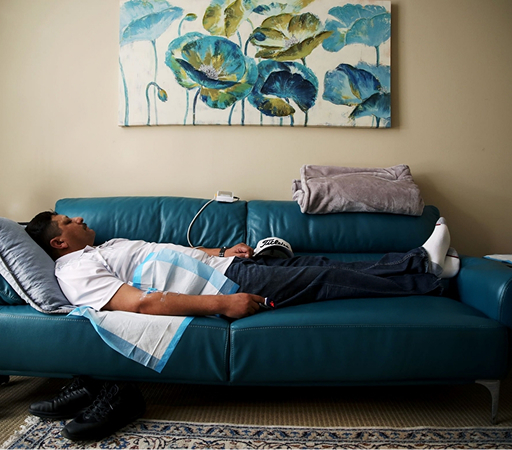
Ketamine therapy has emerged as a groundbreaking treatment for mental health conditions, particularly for individuals who struggle with treatment-resistant depression. One of the key reasons for its success is its unique action on the brain, particularly its interaction with NMDA receptors.
What Are NMDA Receptors?
NMDA (N-Methyl-D-Aspartate) receptors are involved in the transmission of signals between nerve cells in the brain. These receptors are critical for processes like learning, memory, and mood regulation. In individuals with depression, these pathways can become dysfunctional, contributing to feelings of hopelessness and emotional numbness.
Ketamine works by blocking NMDA receptors, temporarily disrupting this communication. But rather than causing harm, this blockade triggers a cascade of beneficial effects that stimulate brain function.
Neuroplasticity: The Brain’s Ability to Rewire Itself
When ketamine blocks NMDA receptors, it leads to an increase in the release of glutamate, the brain’s most abundant neurotransmitter. This release helps stimulate synaptic connections, enhancing neuroplasticity—the brain’s ability to form and reorganize connections.
Essentially, ketamine opens a window for the brain to “reset” itself. This is particularly crucial for individuals with depression, where the brain’s natural plasticity may have been compromised.
Unlike traditional antidepressants that work slowly over weeks or months, ketamine’s effect on neuroplasticity happens rapidly. In many cases, individuals begin to feel relief within hours of treatment. This fast-acting nature of ketamine makes it a promising alternative for those who haven’t responded to other medications or therapies.
How Ketamine Therapy Offers Rapid Relief
The traditional approach to depression treatment often involves medications like SSRIs (Selective Serotonin Reuptake Inhibitors), which increase serotonin levels in the brain. While these can be effective for some people, they can take weeks to show results.
In contrast, ketamine works on a different pathway, providing quick relief. By addressing the underlying neural circuits that are disrupted in depression, ketamine can alleviate symptoms more rapidly and effectively.
Why This Matters for Treatment-Resistant Depression
Many people living with chronic depression or other mood disorders have tried various medications and therapies without success. Ketamine offers a lifeline for those who have not found relief from traditional antidepressants.
By boosting neuroplasticity, ketamine therapy helps restore neural pathways that have been damaged by long-term depression, leading to significant improvements in mood and cognition.
What This Means for You
At Golden Hour Wellness, we provide ketamine therapy in a controlled and supportive environment, under the guidance of experienced professionals like Dr. Hannie Ali. Each treatment is personalized to fit the unique needs of the patient, ensuring the most effective care possible.
Whether you’re struggling with depression, anxiety, or another mood disorder, ketamine therapy may offer the rapid, lasting relief you’ve been seeking.